
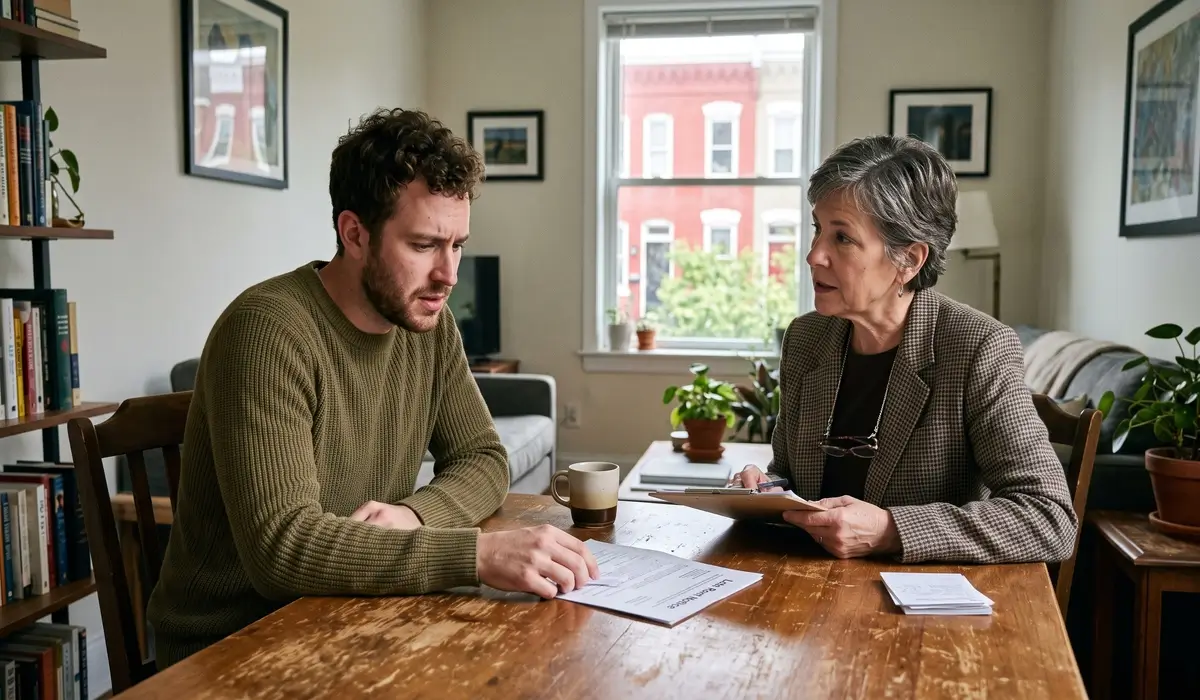
A missed rent payment rarely feels like a crisis the first time it happens, which is part of why so many DC owners get caught off guard later. Understanding tenant screening best practices before a lease is even signed changes how the rest of the tenancy tends to unfold. PMI DC Metro has worked with enough owners across Washington to know these situations rarely come out of nowhere. They build slowly, one small decision at a time, until the cost of ignoring them finally catches up.
Key Takeaways
- Small rental issues that go unaddressed tend to grow into costly, drawn-out disputes.
- Slow maintenance response is one of the most common triggers behind tenant conflict.
- Screening decisions made before move-in often don't cause visible problems until months later.
- Owners without a consistent documentation habit struggle to support their case if things escalate.
- Identifying where your current process has gaps makes the next step much easier to plan.
A Missed Payment That Nobody Tracks
The first late payment usually gets a verbal pass. So does the second. By the time a real pattern shows up, months have gone by with no written record to back up a formal notice, and the owner is left trying to reconstruct a timeline from memory.
A workable system keeps this from happening in the first place:
- Send written notice the same day a payment is late
- Keep a dated log of every partial payment or promise made
- Apply the same notice timeline to every tenant, without exceptions
- Set a clear point where a late payment moves to formal action
Nationwide, landlords filed more than a million eviction cases last year alone, with 1.23 million eviction filings recorded in 2025 according to a recent national report, and missing documentation shows up again and again as a factor in how those cases unfold. DC has its own procedural requirements before a filing can move forward, and owners who take the time to review the eviction process in DC ahead of time avoid the scramble that comes with figuring it out mid-dispute.
Lease Terms That Slowly Stop Being Enforced
An unauthorized pet. A guest who's technically been staying for two months. A parking spot used by someone who doesn't live there. Each one feels small enough to overlook on its own, but letting the first one slide tends to invite the next.
A tenant who learns lease terms go unenforced has little reason to take the rest of the agreement seriously. Applying the same standard every time keeps a small infraction from becoming an ongoing habit rather than a one-time lapse.
Why the First Response Sets the Tone
How an owner handles the very first lease violation shapes how a tenant treats every rule that follows. A prompt, consistent response makes clear the lease is being actively managed, and that consistency tends to carry through the rest of the tenancy.
Maintenance Requests That Get More Expensive With Time
A repair request that sits untouched for a few weeks rarely stays a small repair. This plays out in predictable ways:
- A slow kitchen drain that slips through a scheduling gap and turns into a corroded pipe needing full replacement
- A struggling furnace flagged in early fall that fails completely once the season's first hard freeze arrives
- A minor roof leak that spreads into insulation damage after several unaddressed rain events
Reviewing lease administration essentials early on gives owners a clearer sense of which repairs fall under their responsibility and which ones a tenant should be flagging sooner. Waiting too long on either side tends to compound the same problem: a small fix that grows into a bigger, costlier one.
Why Screening Decisions Resurface Months Later
Handling tenant screening independently takes more time than most owners expect, especially when several applicants and pieces of paperwork are moving at once. Many mid-lease problems trace back to decisions made before a tenant ever signed a lease.
A rushed application review, a reference call that never happened, income documentation accepted without follow-up- these things rarely cause immediate trouble. The difficulty builds gradually and tends to surface only once the lease is well underway and much harder to unwind. A national benchmark study found that general maintenance requests took a median of 14.8 days to close, and a similar lag often shows up in how quickly screening red flags get addressed once a tenant is already in place. Owners who take the time to outsource tenant screening decisions close off most of these gaps before they open.
Understanding legal maintenance responsibilities also matters here, since owners and tenants often disagree about who's supposed to handle what until a dispute forces the question.
Matching Your Management Support to Your Actual Gaps
Some owners want help across the board, from screening to maintenance coordination. Others only need support with specific tasks. Getting clear on where your current approach has gaps makes the next step easier to identify.
A less obvious pattern shows up in owners managing properties on their own without a consistent tracking system:
- Payment history lives in scattered texts or a personal notebook
- Maintenance requests arrive by phone call with no written record of timing
- Lease violations get mentally noted but never documented anywhere useful
A free rental analysis is often the fastest way for an owner to see where those gaps actually sit before they turn into something costlier. It's a quick way to get an outside look at a system that's been running informally for too long.
FAQs about Tenant Issue Escalation in Washington, DC
How should an owner handle a tenant who repeatedly pays rent a few days late without ever missing it entirely?
Document each late payment with the date and amount received, even if the full rent eventually arrives. A pattern of chronic lateness can justify formal notice, even without a complete missed payment.
What's the right approach if a tenant requests a payment plan after falling behind?
Put any agreed payment plan in writing, including specific dates and amounts, and have the tenant sign it. Verbal agreements about repayment terms are hard to enforce if the tenant falls behind again.
Can a landlord charge a tenant for professional cleaning after move-out if the unit was left reasonably clean?
Generally, no, unless the lease specifically requires professional cleaning regardless of condition. Charging for cleaning beyond what's reasonable given normal wear can expose an owner to a deposit dispute.
How does an owner know when a noise complaint has crossed from minor to a lease violation?
Repeated complaints from multiple sources, or a pattern documented over several weeks, usually point to a genuine violation rather than an isolated incident. A single complaint typically warrants a conversation first.
What should a landlord do if a tenant's guest causes property damage during a visit?
Hold the tenant responsible under the lease, since most agreements make tenants liable for damage caused by their guests. Document the damage with photos and provide written notice of the associated cost.
The Owners Who Catch Problems Before They Grow
Nobody plans for a small issue to turn into a costly dispute. It happens because nobody was watching closely enough at the start, and by the time it's obvious, the options have already narrowed.
PMI DC Metro helps owners across Washington build that kind of attention into their day-to-day management, backed by our service guarantees and hands-on approach. Discover our ownership support options and see how catching small issues early protects both your property and your peace of mind.
